

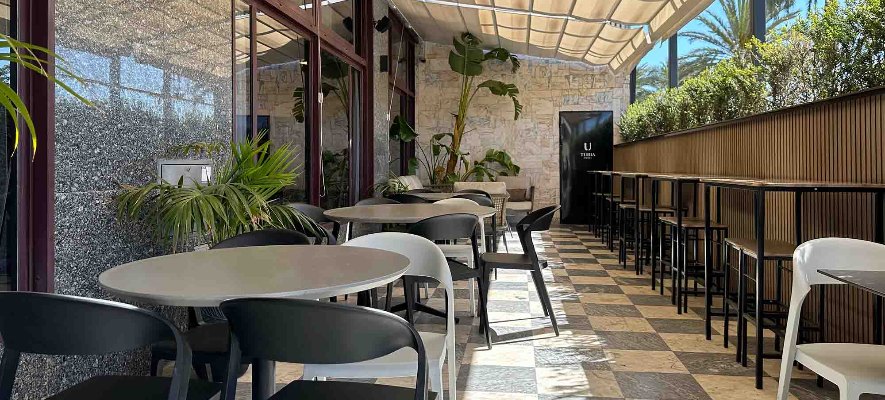

A family-run chain, with hotels in Valencia, Granada and Badajoz, Turia Hotels reorganised its distribution around a shared revenue team, a more selective set of channels and a push for direct sales.
We spoke with Director of Operations, Toni Arnedo, who explains how they brought that strategy into the day-to-day running of the three hotels.
From a family business to a three-hotel chain
Turia Hotels’ story runs through the former Hotel Lisboa in Badajoz, where the family began building its hospitality career 50 years ago. Hotel Turia Valencia opened in 1994, and Turia Granada followed in 2022. Today, after more than 50 years in the industry, the family-run chain brings together three four-star city hotels: Turia Valencia, Turia Granada and Turia Badajoz.
The arrival of Granada coincided with a change in how the business is run. Since 2022, the hotels have had a chain-level operating structure and revenue function. According to Toni, organising this way made it easier for the teams to work together and allowed them to make more, and better, decisions on rates, segments and channels. The Turia Hotels brand was developed and rolled out across all three properties.
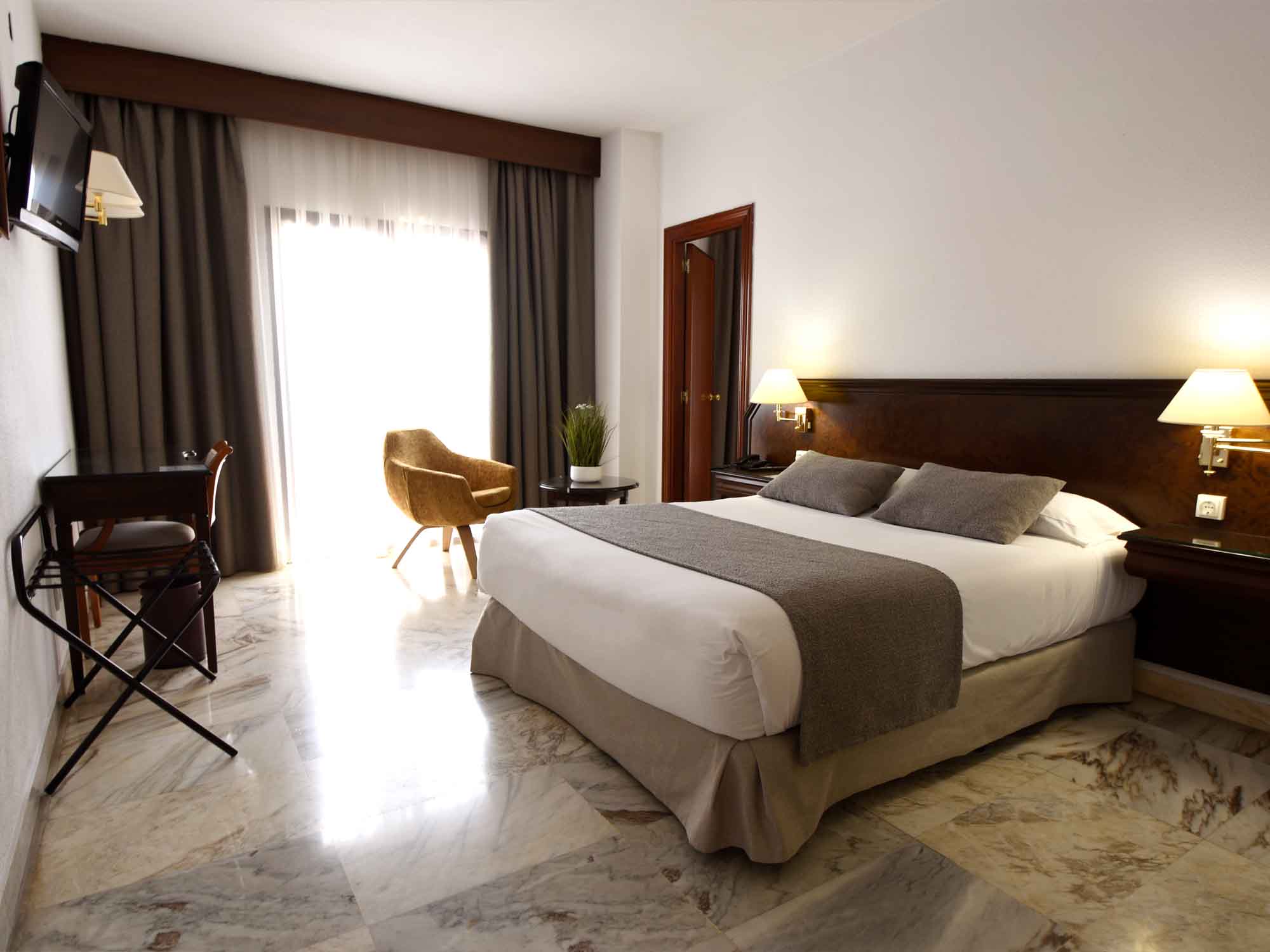
Turia Valencia: A new strategy with the industry’s best channel manager
When Toni returned to Turia Valencia, the owners asked him to bring his experience to the hotel during a generational handover. His first question was which channel manager the hotel used. The answer was SiteMinder. Management had already implemented it in Valencia and Badajoz, and Granada joined the group with the same tool. In Valencia, the challenge was deciding what to sell, to whom and under what conditions.
To reposition the hotel, the team started with rates. The rate structure began with a flexible reference rate (BAR) and added non-refundable and advance-purchase options. In high-demand periods, it adjusted the conditions: for Fallas, for example, Toni mentions a rate with payment 15 days before arrival. The team also reviewed the guest proposition: it decided to include breakfast in the rates and compared its offer with that of other hotels in the city.
According to Toni, Turia Valencia’s score on Booking.com rose from 7.4 to 8.6 during this repositioning phase.
Fewer channels, but each with a clear role
The same criterion they applied to rates guided their choice of channels: focusing on a few that fit their strategy. Booking.com, Expedia and the hotels’ own booking engine are the main ones. The group is also connected to Roibos through its marketplace.
Toni knew the contrast well. Earlier in his career, he had worked on allocating allotments to each portal and updating availability extranet by extranet. If a channel used up its allotment, it could stop selling even though the hotel still had rooms; if the team didn’t close another portal in time, it risked overbooking. That experience helps explain why, on returning to Turia Valencia, his first question was how the channels were connected.
Changing PMS without losing the commercial structure
Migrating from one PMS to another raised a specific question: how to transfer the rates and channels they had already defined to the new PMS. According to Toni, the team first created the rates in the PMS, replicated them in the channel manager and then configured them in each channel.
To do the mapping, they used what Toni calls ‘the yellow Excel’: the SiteMinder template that helped the team identify which configurations it needed to link. They completed it, sent it to SiteMinder and used the information returned to carry out the mapping. Toni highlights that it helped to have defined in advance how they would set up the PMS and how they would manage distribution from the channel manager.
Direct gains weight and technology amplifies a defined strategy
Toni describes a growing share for the website as part of Turia’s push for direct sales, which he also links to the adoption of Mirai. According to the figures he shares, the website’s share rose from 10% in 2025 to more than 20% in 2026, and other direct channels, such as phone, email and WhatsApp, contribute a further 22%.
Toni’s advice for other hoteliers rests on three decisions: which guests they want to reach, which rates make sense for each segment and which channels they want to sell them on. Technology comes afterwards, to put those decisions into practice. Toni sums it up like this:
‘Technology comes at the end and amplifies everything.’